

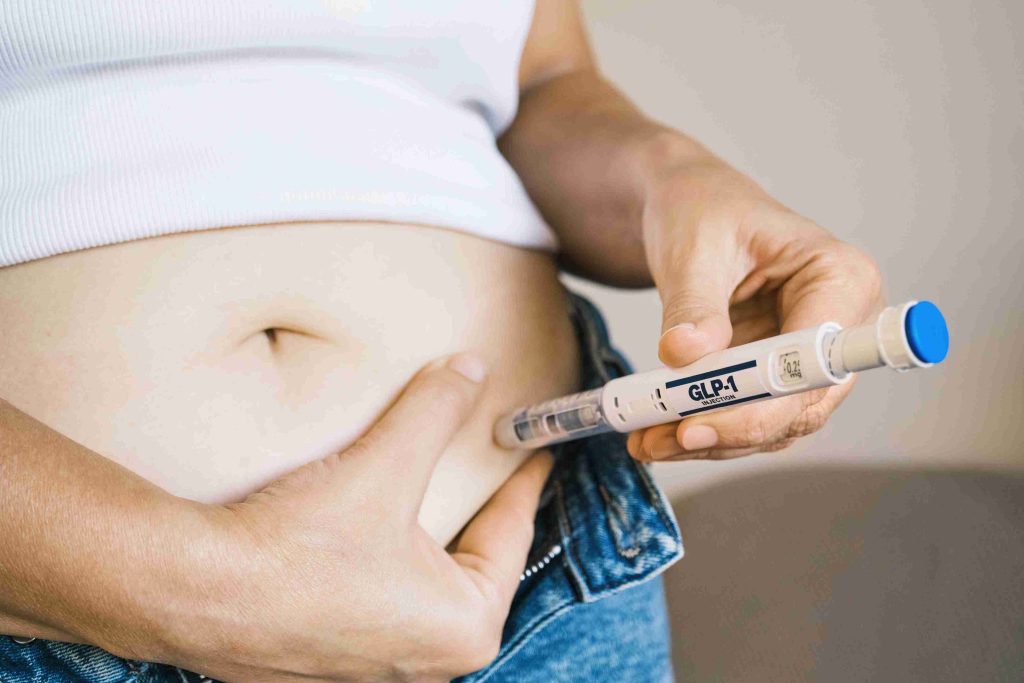
Weight-loss and diabetes medications have become increasingly popular for managing type 2 diabetes and weight-related health concerns. However, recent regulatory warnings have brought attention to a possible association between certain medications and a rare eye condition that can cause sudden vision loss.
In an interview with Optometry Today, Consultant Ophthalmic Surgeon Dr Sharon Heng shared her expert perspective on the potential ocular effects of GLP-1 medications. Her comments were subsequently quoted in an article published by The Mirror UK, highlighting the importance of patient awareness, medical guidance and balanced decision-making.
Understanding the Potential Eye Risks of GLP-1 Medications
GLP-1 receptor agonists are medications used to manage type 2 diabetes and, in certain formulations, support weight management. Semaglutide, the active ingredient in medications such as Ozempic, Wegovy and Rybelsus, has attracted particular attention following reports of a possible association with non-arteritic anterior ischaemic optic neuropathy (NAION).
NAION is a rare condition involving reduced blood flow to part of the optic nerve, which can result in sudden vision loss. Unlike some other eye conditions, it typically presents without pain. Patients may notice that their vision becomes blurred, cloudy or obscured, sometimes affecting one eye.
The potential association between semaglutide and NAION has prompted several health authorities to review available evidence and issue safety guidance. The European Medicines Agency concluded that NAION is a very rare side effect of semaglutide, potentially affecting up to one in 10,000 people taking the medication.
The UK’s Medicines and Healthcare products Regulatory Agency (MHRA) has also advised patients to seek urgent medical attention if they experience sudden vision loss or rapidly worsening eyesight.
More recently, on 9 November, the US Food and Drug Administration (FDA) ordered manufacturers to include warnings about the potential risk of NAION in the prescribing information for GLP-1 receptor agonist medications. This update extends beyond semaglutide to include tirzepatide, marketed as Mounjaro and Zepbound.
Dr Sharon Heng’s Expert Perspective on GLP-1 Medication Risks
During her interview with Optometry Today, Dr Sharon Heng, Consultant Ophthalmic Surgeon at Moorfields Eye Hospital, emphasised that the potential risks to eye health should be considered alongside the broader health benefits of these medications.
In comments quoted in The Mirror UK, Dr Heng said:
“The most important message is that we need to see the eye health risks in the context of the overall health benefits of this medication.”
Her comments highlight the importance of avoiding unnecessary fear among patients who may benefit from GLP-1 medications for diabetes management or weight loss. Although awareness of potential adverse effects is essential, medication decisions should take into account an individual’s overall health, medical history, treatment goals and the advice of their healthcare provider.
The reports of possible eye-related complications have caused some patients to reconsider their treatment. Dr Heng noted that some individuals had stopped taking GLP-1 medications because of concerns about their eyesight. However, stopping prescribed medication without medical guidance may affect the management of their underlying condition.
She advised:
“We would ask that patients speak to their prescribers or GP prior to stopping the medication.”
This reinforces the importance of seeking professional advice before making changes to prescribed treatment, particularly when medications are being used to manage chronic conditions such as type 2 diabetes.
What Symptoms Should Patients Look Out For?
NAION can present with sudden, painless changes in vision. Patients taking GLP-1 medications should be aware of symptoms such as:
- Sudden blurred or cloudy vision
- A noticeable reduction in vision in one eye
- Darkened areas or shadows in the visual field
- Sudden changes in visual clarity
These symptoms should not be ignored or assumed to be temporary. The MHRA advises patients experiencing sudden sight loss or rapidly worsening vision in one or both eyes to seek urgent assessment at an eye casualty department or Accident and Emergency (A&E).
Prompt assessment is important because sudden visual changes may also be associated with other eye conditions requiring urgent attention. An eye examination can help determine the underlying cause and guide appropriate management.
Dr Heng’s Advice for Healthcare Professionals
In her interview with Optometry Today, Dr Heng also highlighted the role of healthcare professionals in identifying patients who may be experiencing medication-related ocular symptoms. During consultations, GPs and optometrists should take a relevant medication history, including whether a patient is taking a GLP-1 medication and which specific drug they are using.
She explained:
“The key message is to be aware of potential ocular effects of GLP-1s. When a GP or an optometrist is taking a history, it is important for them to be aware of whether a patient is taking GLP-1s and what type they are taking. They should also consider any symptoms that may be linked to this medication.”
This awareness can help healthcare professionals recognise potential warning signs, assess symptoms appropriately and determine whether further ophthalmic evaluation is necessary. It also highlights the value of communication between prescribing doctors, primary care providers and eye specialists in supporting patients receiving these medications.
Staying Informed While Protecting Eye Health
As the use of GLP-1 medications continues to expand, ongoing research and regulatory monitoring will help clarify their potential effects on eye health. Although NAION remains a rare condition, awareness of its symptoms and the importance of timely medical assessment are valuable for patients and healthcare professionals alike.
Dr Sharon Heng’s expert commentary, originally shared in her interview with Optometry Today and subsequently quoted in The Mirror UK, reinforces an important message: patients should remain informed about potential medication risks without overlooking the overall benefits of their treatment. Anyone experiencing sudden changes in vision should seek urgent medical attention, while those concerned about their medication should consult their prescribing doctor before making any changes.
Read the full article in The Mirror UK: Weight-loss and diabetes jabs linked to sudden sight loss as US orders new warnings