


Key Takeaways
- Diabetic retinopathy is a diabetes-related eye condition that can lead to vision loss if untreated.
- Early detection and treatment are crucial to preventing complications and preserving vision.
- Treatment options for diabetic retinopathy include lifestyle management, laser therapy, anti-VEGF injections, and surgical interventions.
- Regular eye examinations are essential for monitoring progression and guiding personalised treatment plans.
Understanding Diabetic Retinopathy
Diabetic retinopathy is a microvascular complication of diabetes that can lead to vision‑threatening damage if untreated, and strict glycemic and blood pressure control reduces the risk of its onset and progression [1].
The primary types of diabetic retinopathy include:
- Non-proliferative diabetic retinopathy (NPDR): Early-stage disease characterized by microaneurysms, retinal hemorrhages, and fluid leakage.
- Proliferative diabetic retinopathy (PDR): Advanced stage with new, fragile blood vessels forming on the retina, increasing the risk of bleeding and retinal detachment.
- Diabetic Macular Oedema (DMO): fluid build up in the macular causing visual impairment.
Understanding the type and severity of diabetic retinopathy is essential for determining appropriate treatment.
Early Detection is Key
Early detection of diabetic retinopathy significantly improves treatment outcomes. Symptoms may not appear in the early stages, making regular eye examinations vital, as early detection and screening significantly reduce the likelihood of severe vision loss [2].
- Comprehensive dilated eye exams
- Retinal imaging (fundus photography and optical coherence tomography)
- Visual acuity testing
Patients with diabetes are advised to have annual eye exams, or more frequent visits if retinopathy is detected.
Here’s a summary of the main treatment options for diabetic retinopathy, their purposes, and typical approaches:
Lifestyle and Medical Management
Lifestyle and medical management strategies include maintaining target glucose and blood pressure levels, which have been shown to slow the development and progression of diabetic retinopathy [3]. Lifestyle and medical management strategies include:
- Blood sugar control: Maintaining target glucose levels reduces the risk of progression.
- Blood pressure and cholesterol management: Controlling hypertension and hyperlipidemia protects retinal blood vessels.
- Healthy diet and exercise: Promotes overall vascular health.
- Smoking cessation: Smoking accelerates vascular damage and worsens retinopathy.
Lifestyle management is the foundation of diabetic retinopathy treatment and works alongside other therapeutic interventions.
Laser Therapy for Diabetic Retinopathy
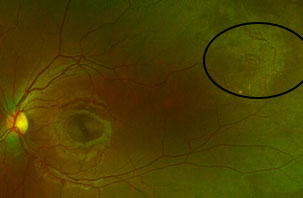
Laser therapy is a commonly used treatment for both NPDR and PDR, and panretinal photocoagulation has been shown in clinical trials to reduce the risk of severe visual loss [4]. It helps prevent vision loss by:
- Focal laser treatment: Seals leaking blood vessels to reduce macular edema.
- Panretinal photocoagulation (PRP): Shrinks abnormal blood vessels in proliferative retinopathy.
Laser therapy is usually performed in an outpatient setting and can stabilize vision, although it may not restore lost sight. It remains a cornerstone of diabetic retinopathy management.
Anti-VEGF Injections
Anti-vascular endothelial growth factor (anti-VEGF) injections have become a standard treatment for diabetic retinopathy, particularly for patients with diabetic macular oedema, as they reduce fluid leakage, inhibit abnormal blood vessel growth, and improve visual acuity over time [5].
Typically administered monthly or at intervals based on disease severity, anti-VEGF therapy can be combined with laser treatment for optimal outcomes. Antivegf are sometimes also used in vitreous haemorrhage or proliferative diabetic retinopathy.
Corticosteroid Treatments
In some cases, corticosteroid injections or implants are used to treat macular oedema. Benefits include:
- Reducing inflammation in the retina
- Stabilizing fluid leakage
- Complementing anti-VEGF therapy when response is insufficient
Side effects, such as increased intraocular pressure or cataract formation, are monitored closely during treatment.
Surgical Options
Advanced diabetic retinopathy may require surgical intervention, such as vitrectomy for vitreous hemorrhage or tractional retinal detachment, which clinical studies show can preserve or restore vision when less invasive treatments are insufficient [6].
Common procedures include:
- Vitrectomy: Removal of blood-filled vitreous gel to restore vision and prevent complications.
- Retinal reattachment surgery: Corrects detachment caused by abnormal vessel growth or bleeding.
Surgery is typically reserved for severe cases where non-invasive therapies cannot prevent vision loss.
Regular Monitoring and Follow-Up
Continuous monitoring is crucial in diabetic retinopathy management. Patients should:
- Attend scheduled eye examinations
- Track changes in vision or new symptoms
- Follow treatment plans consistently, including injections or laser therapy
- Communicate any side effects or concerns with their ophthalmologist
Regular follow-up ensures early intervention for disease progression and optimizes visual outcomes.
The Role of Patient Education
Patient education is vital for effective diabetic retinopathy treatment. Patients should be informed about:
- Disease progression and risk factors
- Symptoms indicating worsening retinopathy, such as blurred vision or floaters
- Importance of glucose and blood pressure control
- Adherence to treatment schedules, including injections, laser therapy, and medications
Knowledge empowers patients to participate actively in their care, enhancing treatment effectiveness.
Combining Therapies for Better Outcomes
Diabetic retinopathy often requires a multi-modal approach:
- Anti-VEGF injections and laser therapy can be combined for proliferative cases.
- Lifestyle and medical management complement clinical interventions.
- Corticosteroids may be added when edema persists despite primary therapy.
This personalised strategy ensures the best chance of preserving vision and preventing complications.
Practical Tips for Patients
To maximise the benefits of diabetic retinopathy treatment:
- Schedule regular eye check-ups and imaging tests.
- Maintain optimal blood sugar, blood pressure, and cholesterol levels.
- Follow lifestyle recommendations including diet, exercise, and smoking cessation.
- Report any sudden vision changes immediately.
- Choose a clinic with experienced ophthalmologists and advanced retinal care facilities.
Active participation in care enhances outcomes and protects long-term vision.
Conclusion
Diabetic retinopathy is a serious but manageable complication of diabetes.
Mild NPDR has a 5% risk of progressing to proliferative diabetic retinopathy, Moderate NPDR has a 12-27% risk of progression to proliferative disease whilst Severe NPDR has a 50% risk of progression to proliferative stages within 1 year. This is why regular screening is crucial. Early detection, lifestyle management, and a combination of medical, laser, and surgical interventions can preserve vision and improve quality of life.
Treatment strategies, including anti-VEGF injections, laser therapy, corticosteroids, and surgery, should be tailored to each patient’s disease stage and needs. Regular monitoring and patient education ensure timely intervention, reduce complications, and maximise the effectiveness of therapy.
By staying vigilant and engaged with their care, patients with diabetic retinopathy can maintain vision, prevent severe complications, and lead active, healthy lives.
References
- American Diabetes Association. (2024). Diabetes and eye disease (Diabetic Retinopathy). https://www.diabetes.org/diabetes/complications/retinopathy
- International Council of Ophthalmology. (2025). Screening guidelines for diabetic retinopathy. https://www.icoph.org/downloads/2025/ICO_Screening_Guidelines_DR.pdf
- Stratton, I. M., Adler, A. I., Neil, H. A. W., Matthews, D. R., Manley, S. E., Cull, C. A., … & Holman, R. R. (2000). Association of glycaemia with macrovascular and microvascular complications of type 2 diabetes. BMJ, 321(7258), 405–412. https://doi.org/10.1136/bmj.321.7258.405
- Early Treatment Diabetic Retinopathy Study Research Group. (1991). Photocoagulation for diabetic macular edema. Archives of Ophthalmology, 109(12), 1790–1799. https://jamanetwork.com/journals/jamaophthalmology/fullarticle/638890
- Virgili, G., Parravano, M., Evans, J. R., Gordon, I., & Lucenteforte, E. (2018). Anti-vascular endothelial growth factor for diabetic macular oedema: A network meta-analysis. Cochrane Database of Systematic Reviews, 10. https://doi.org/10.1002/14651858.CD007419.pub4
- Browning, D. J., Glassman, A. R., & Aiello, L. P. (2008). Diabetic retinopathy vitrectomy study: Indications and outcomes. Ophthalmology Clinics of North America, 21(1), 165–175. https://doi.org/10.1016/j.ohc.2007.09.004