

What Happens If AMD Disease Is Left Untreated?
Key Takeaways Age-related macular degeneration (AMD) is a progressive eye condition that affects the macula, the part of the retina responsible for sharp, central vision.

 EnglishEnglish
Key Takeaways Age-related macular degeneration (AMD) is a progressive eye condition that affects the macula, the part of the retina responsible for sharp, central vision.
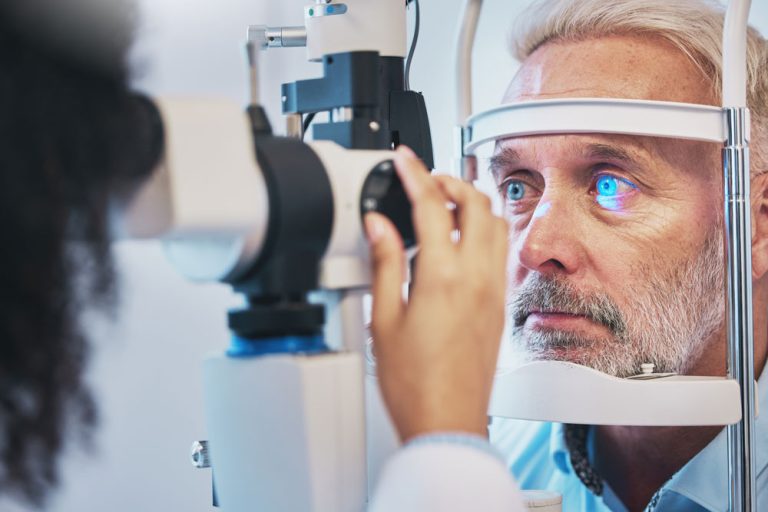
Key Takeaways Age-related macular degeneration (AMD) is a progressive eye condition that affects the macula, the part of the retina responsible for central, detailed vision.

Key Takeaways Age-related macular degeneration (AMD) is a progressive eye condition that affects the central portion of the retina, leading to blurred or distorted vision.
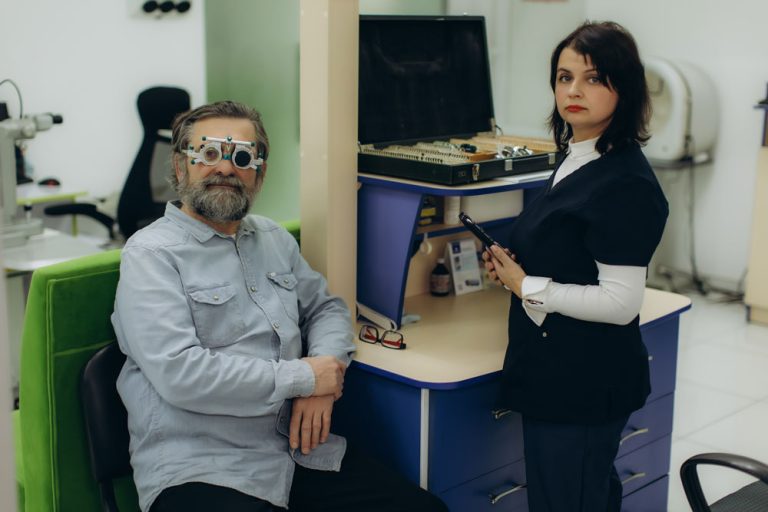
Key Takeaways Wet age-related macular degeneration (AMD) is a leading cause of vision loss, characterised by the growth of abnormal blood vessels beneath the retina.

Key Takeaways Cataracts and age-related macular degeneration (AMD) are two of the most common causes of vision impairment, particularly in older adults [1]. While cataracts
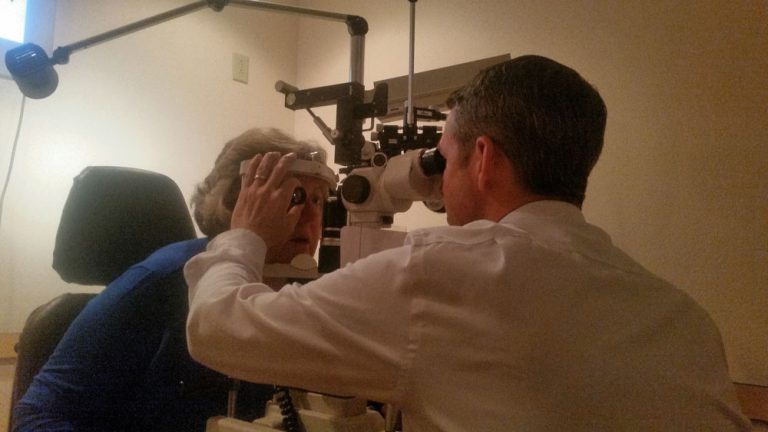
Key Takeaways How Is Wet AMD Treated and How Long Does It Last? Wet age-related macular degeneration (AMD) is typically treated with regular anti-VEGF injections,

Key Takeaways AMD treatment depends on whether the condition is early, intermediate, wet, or late dry AMD. Wet AMD is commonly treated with anti-VEGF injections,

Key Takeaways Age-related macular degeneration (AMD) is a progressive eye condition affecting the macula—the part of the retina responsible for sharp central vision [1]. It

Key Takeaways Age-related macular degeneration (AMD) is a progressive retinal condition that primarily affects the macula—the central region of the retina responsible for detailed, high-resolution

Key Takeaways Understanding Age-Related Macular Degeneration (AMD) Age‑related macular degeneration (AMD) is a progressive eye disease affecting the macula, the central part of the retina
English