


Key Takeaways
- Early intervention in seniors can restore vision, enhance independence, and improve quality of life.
- Preoperative evaluation, comorbidity management, and careful monitoring are essential for safe surgery.
- Age alone is rarely a limiting factor for cataract surgery; overall health and eye condition matter more.
- Discussing surgical techniques, recovery expectations, and postoperative care helps seniors make informed decisions.
Understanding Cataracts in Seniors
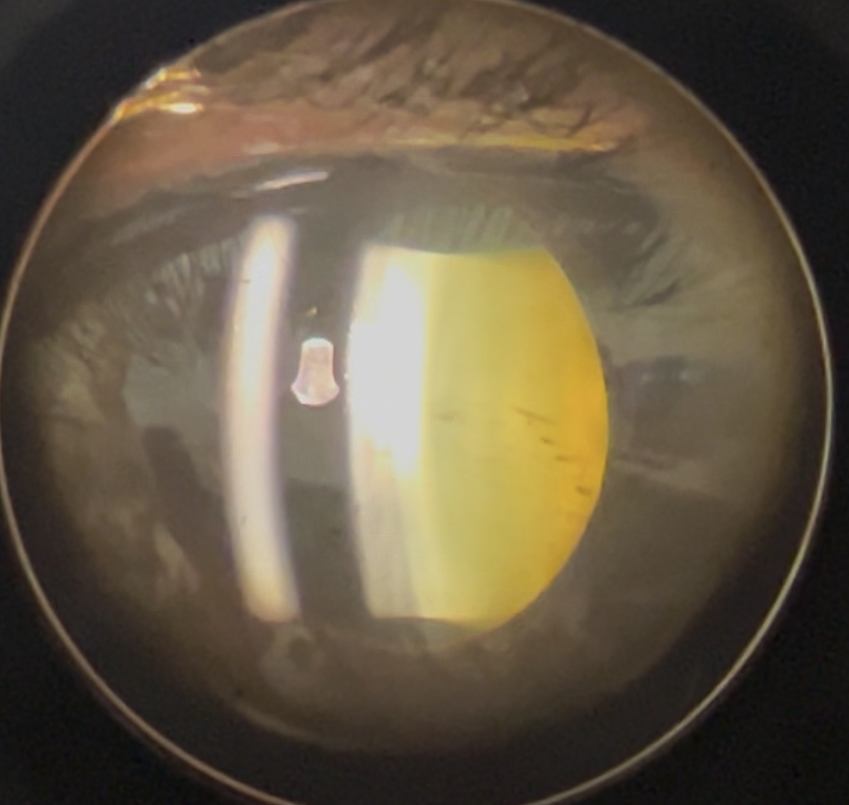
Cataracts are highly prevalent in older adults, with age being the primary risk factor and prevalence increasing significantly with advancing age [1]. By the age of 70, many individuals show some degree of lens clouding, which gradually impairs vision. Symptoms can include:
- Blurred or hazy vision
- Increased glare from lights, especially at night
- Difficulty reading or performing close-up tasks
- Changes in color perception
Cataract surgery remains the definitive treatment, regardless of age, as it replaces the cloudy lens with a clear intraocular lens (IOL) and consistently improves visual acuity and quality of life in seniors [2]. However, seniors often have questions about whether their age increases surgical risks or affects recovery.
Is Age a Limiting Factor?
Age alone is not a contraindication for cataract surgery. Ophthalmologists consider:
- Overall physical health
- Presence of chronic conditions (e.g., diabetes, hypertension, heart disease)
- Eye health and retinal condition
Studies have shown that even patients in their 80s and 90s can undergo successful cataract surgery with visual improvement and safety outcomes comparable to younger adults when comprehensive preoperative assessment and care are conducted [3].
While many seniors worry that advanced age may prevent them from undergoing cataract surgery, medical decisions are based on much more than age alone. Several important health and surgical considerations determine whether a patient is a good candidate and how successful the procedure is likely to be.
The table below summarizes the major factors discussed in this article that influence cataract surgery safety and effectiveness for older adults.
Table: Considerations for Cataract Surgery in Older Adults
| Factor | What Is Considered | Importance for Seniors |
| Overall Physical Health | General medical condition and fitness for surgery | Determines ability to undergo the procedure safely |
| Chronic Medical Conditions | Presence of diabetes, hypertension, heart disease | May affect surgical risk and recovery process |
| Eye Health and Retinal Condition | Status of the retina and other eye diseases | Influences expected visual improvement |
| Preoperative Eye Examination | Assessment of cataract severity and coexisting eye problems | Ensures surgery is appropriate and properly planned |
| Systemic Health Review | Evaluation of medications and medical stability | Identifies issues that may interfere with healing |
| Lifestyle and Visual Needs | Daily activities and personal vision requirements | Helps guide intraocular lens (IOL) selection |
| Choice of Surgical Technique | Phacoemulsification or laser-assisted surgery | Technique is chosen based on individual eye characteristics |
| IOL Selection | Monofocal, multifocal/EDOF, or toric lenses | Directly affects independence and postoperative vision |
| Anesthesia Approach | Local anesthesia with minimal sedation | Reduces systemic risks in older patients |
| Postoperative Care and Follow-Up | Use of eye drops and regular monitoring | Essential for safe recovery and early detection of complications |
Benefits of Cataract Surgery for Seniors
Restoring Independence
Restoring sight through cataract surgery allows safer mobility and a reduced risk of falls, as multiple studies have shown a significant decrease in fall frequency following surgery in older adults [4].
Enhancing Quality of Life
Clear vision has a profound impact on emotional well-being. Seniors who undergo cataract surgery often report reduced anxiety, improved mood, and greater confidence in performing daily activities.
Reducing Risk of Accidents
Impaired vision is a significant risk factor for falls and accidents. Timely cataract surgery improves contrast sensitivity and depth perception, reducing the likelihood of injury.
Preoperative Evaluation for Seniors
Before surgery, a comprehensive assessment is essential:
- Eye examination: Determines cataract severity and identifies coexisting eye conditions such as glaucoma or macular degeneration.
- Systemic health review: Evaluates cardiovascular status, diabetes control, and medications that may affect surgery or healing.
- Lifestyle considerations: Activities and visual needs are discussed to select the most appropriate IOL.
Proper evaluation ensures that cataract eye surgery is safe and tailored to the individual’s health profile.
Surgical Considerations for Older Adults
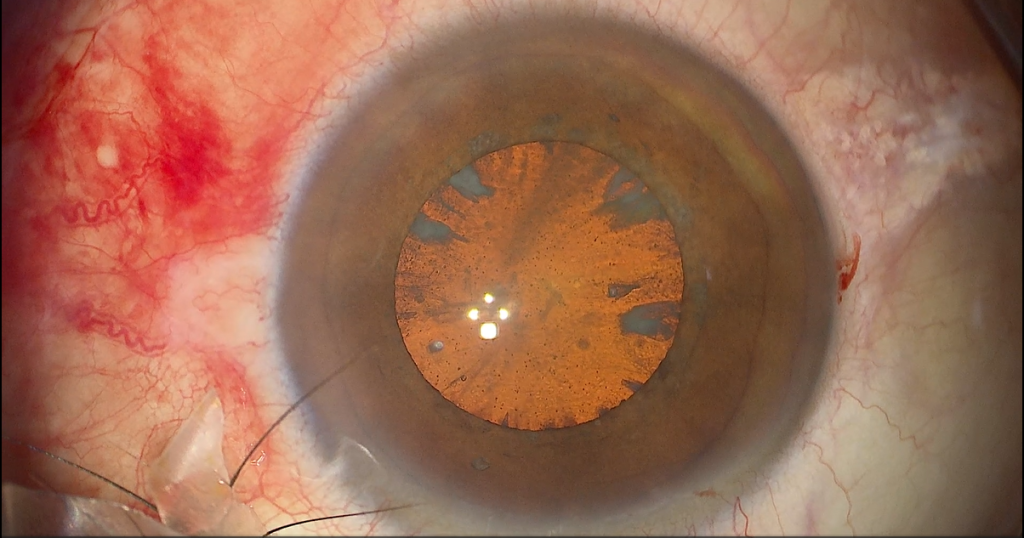
Choice of Surgical Technique
In modern medicine, the majority of cases are performed with the following techniques.
- Phacoemulsification: Standard ultrasound-assisted method suitable for most patients
- Laser-assisted cataract surgery: Offers precision, especially beneficial for complex cases.
The surgeon selects the technique based on lens hardness, ocular anatomy, and comorbidities.
Intraocular Lens (IOL) Selection
- Monofocal IOLs: Correct distance vision; reading glasses may still be required.
- Multifocal or extended depth-of-focus IOLs: Reduce dependency on glasses for near and far tasks.
- Toric IOLs: Correct astigmatism, enhancing visual clarity.
IOL choice is particularly important for seniors, as it directly affects independence and quality of life post-surgery.
Anesthesia and Sedation
Most cataract surgery procedures are performed under local anesthesia with minimal sedation, reducing systemic risks in older adults. General anesthesia is rarely needed but may be considered for patients unable to cooperate or with specific health conditions.
Recovery and Postoperative Care
Recovery is generally smooth but may be slightly slower in seniors, and while visual outcomes remain positive, age‑related ocular changes and comorbidities can influence postoperative visual acuity outcomes [5].
- Vision often improves within days, but full stabilization can take weeks.
- Mild discomfort, light sensitivity, and temporary blurred vision are common.
- Eye drops are prescribed to prevent infection and inflammation.
- Regular follow-up visits monitor healing and detect complications early.
Adherence to postoperative instructions is critical to ensure optimal outcomes after cataract surgery.
Managing Comorbidities
Many seniors have chronic conditions that can influence surgery and recovery, yet clinical studies indicate that good clinical outcomes are still attainable even in the presence of comorbidities when managed appropriately [6].
- Diabetes: May affect healing and increase the risk of retinal complications.
- Hypertension: Must be controlled to reduce surgical risk.
- Heart disease: Requires coordination with cardiologists for safe perioperative care.
Proper management ensures that age-related health issues do not interfere with the benefits of cataract surgery.
Common Concerns Seniors Have
Fear of Surgery
Many seniors worry about the procedure and anesthesia. Understanding that cataract surgery is minimally invasive, highly standardized, and usually outpatient helps alleviate anxiety.
Recovery Time
Seniors often ask how long it will take to resume daily activities. With proper guidance, most can safely return to normal routines within a few days, while avoiding heavy lifting or strenuous activity for a short period.
Financial Considerations
Costs can vary depending on surgical technique and IOL choice. Seniors should inquire about insurance, subsidies, and out-of-pocket expenses to plan financially for cataract surgery.
Conclusion
With longevity, we are living longer and it is important to enjoy life as we age. Cataract surgery can return the clarity of vision that patients used to enjoy. Age should not prevent seniors from benefiting from cataract surgery. With careful evaluation, management of chronic conditions, and proper pre- and postoperative care, seniors can safely undergo surgery with excellent visual outcomes.
Early intervention restores independence, enhances quality of life, and reduces the risk of falls and accidents. Seniors and their families should discuss surgical options, recovery expectations, and lifestyle considerations with their ophthalmologist to make informed decisions.
Ultimately, cataract surgery is not limited by age but guided by overall health, ocular condition, and individualized care planning. With proactive engagement, seniors can enjoy clear vision and an improved quality of life well into their later years.
References
- Flaxman, S. R., et al. (2017). Global causes of blindness and distance vision impairment 1990–2020: A systematic review and meta‑analysis. Lancet Global Health, 5(12), e1221–e1234. https://doi.org/10.1016/S2214‑109X(17)30393‑5
- Lundström, M., et al. (2013). Visual outcome of cataract surgery in the elderly: A comparison of independent living and nursing home residents. Journal of Cataract & Refractive Surgery, 39(10), 1507–1513. https://doi.org/10.1016/j.jcrs.2013.04.031
- Dhital, A., et al. (2016). Cataract surgery outcomes in very elderly patients: A systematic review. Ophthalmology, 123(9), 1861–1869. https://doi.org/10.1016/j.ophtha.2016.04.006
- Gutiérrez‑Robledo, L. M., et al. (2021). Effect of cataract surgery on frequency of falls among older persons: A systematic review and meta‑analysis. Journal of Aging and Health, 33(9), 810–825. https://pubmed.ncbi.nlm.nih.gov/33815834/
- Lundström, M., et al. (1998). Outcome of cataract surgery in very old patients: Age‑related differences and effects of comorbidity. British Journal of Ophthalmology, 82(3), 252–256. https://doi.org/10.1136/bjo.82.3.252
- Dupps, W. J., & Jester, J. V. (2018). The aging cornea and its impact on surgical outcomes. Cornea, 37(11), 1395–1402. https://doi.org/10.1097/ICO.0000000000001678