
关键要点
- Diabetic retinopathy can develop without noticeable symptoms, particularly during its early stages.
- Blurred vision, floaters, dark spots, and difficulty seeing details can signal retinal changes that require assessment.
- Sudden changes in vision require prompt medical attention because advanced disease can threaten sight.
- Regular eye examinations and good control of blood sugar, blood pressure, and cholesterol can help reduce the risk of vision loss.
糖尿病视网膜病变 is a diabetes-related eye condition that affects the small blood vessels supplying the retina, the light-sensitive tissue at the back of the eye. Persistently high blood sugar can damage these vessels, causing them to leak, become blocked, or develop abnormally. Over time, these changes can affect central vision and potentially cause severe sight loss [1].
One of the main challenges is that 糖尿病视网膜病变 can progress without noticeable symptoms, especially in its early stages. This means waiting until vision problems appear is not a reliable way to detect the condition. Regular comprehensive eye examinations allow retinal changes to be identified before significant vision loss occurs [2].
10 Early Warning Signs to Watch For
1. Blurred or Hazy Vision
视力模糊 may occur when retinal changes affect how light is processed or when fluid accumulates around the macula, the part of the retina responsible for sharp central vision. Persistent or unexplained blurring should be assessed by an eye-care professional [3].
2. Difficulty Reading or Seeing Fine Details
You may find that small print becomes harder to read or that details appear less sharp than before. This can occur when changes affecting the retina or macula interfere with central vision. Persistent or worsening difficulty seeing details warrants an eye examination.
3. New Floaters
Floaters appear as small dots, lines, threads, or cobweb-like shapes that seem to move across your field of vision. A sudden increase in floaters can occur when damaged retinal blood vessels bleed into the vitreous, the gel-like substance inside the eye [4].
New or rapidly increasing floaters should be assessed promptly, particularly when accompanied by flashes of light or changes in peripheral vision.
4. Dark Spots or Patches in Your Vision
Dark spots, shadows, or areas that appear blocked may occur when blood leaks into the vitreous. These changes can indicate more advanced retinal problems and should not be ignored. If a dark area develops suddenly or expands rapidly, seek medical assessment as soon as possible.
5. Difficulty Seeing at Night
Some people may notice increased difficulty seeing in dim environments. Although night-vision problems can have several causes, a new or worsening change should be discussed with an eye-care professional.
Difficulty seeing at night does not necessarily mean you have 糖尿病视网膜病变, but it can be a reason to have your eyes evaluated, particularly if you have diabetes.
6. Colors Appearing Less Vivid
Changes affecting the retina can sometimes alter the quality and clarity of vision, including how colors are perceived. You may notice that colors appear faded or different between your two eyes.
Color changes can also result from other eye or neurological conditions, so they should not automatically be attributed to diabetes.
7. Distorted or Wavy Central Vision
Straight lines may sometimes appear bent, wavy, or distorted when the macula is affected. This can make reading, driving, recognizing faces, and performing tasks that require sharp central vision more difficult.
If objects or lines suddenly appear distorted, arrange an eye examination to determine the underlying cause.
8. A Noticeable Change in Prescription
Frequent changes in your glasses or contact lens prescription may indicate changes affecting your vision. Fluctuating blood glucose levels can temporarily affect the lens, while retinal conditions can also cause visual changes.
Although a prescription change does not automatically indicate 糖尿病眼, repeated or unexplained changes should be discussed with your eye-care professional.
9. Reduced Field of Vision
A reduction in peripheral or overall vision can occur with significant retinal damage or other eye conditions. Advanced diabetic retinopathy can cause abnormal blood vessel growth and scar tissue, which may pull on the retina and contribute to retinal detachment. A sudden loss of peripheral vision or a curtain-like shadow across your vision requires urgent medical attention [5].
10. Sudden or Severe Vision Loss
Sudden vision loss is an emergency warning sign. It may occur because of significant bleeding inside the eye, retinal detachment, or another serious eye condition.
Do not wait for sudden vision loss to resolve on its own. Seek urgent medical attention, particularly if it occurs alongside flashes of light, a sudden increase in floaters, or a curtain or shadow across your field of vision.
为什么早期检测至关重要
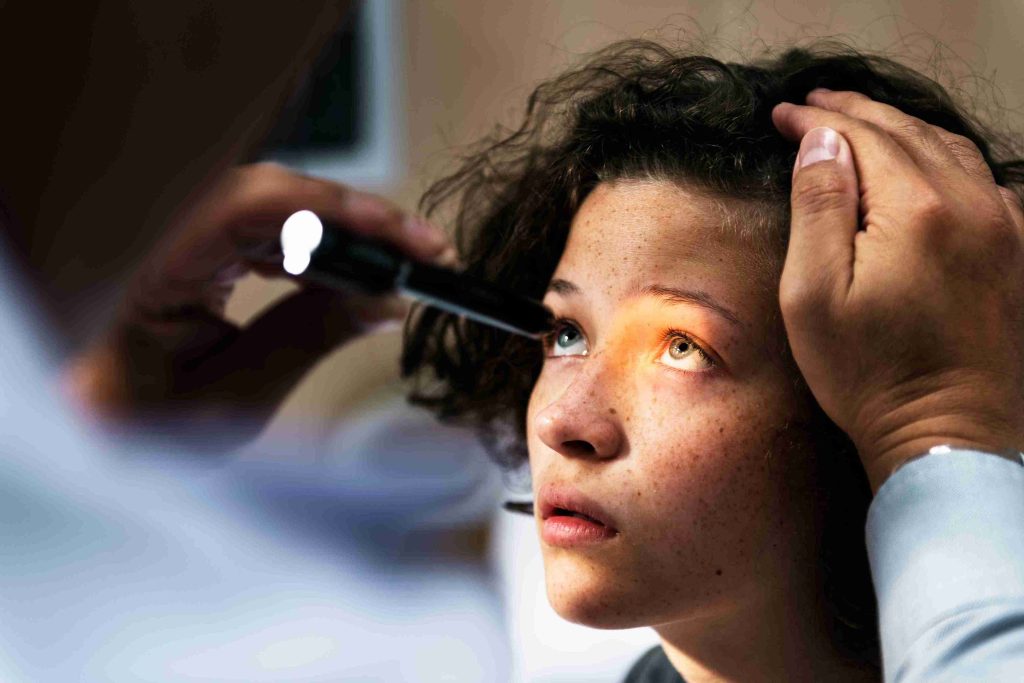
的 challenge with diabetic retinopathy is that noticeable symptoms may appear only after the disease has progressed. A comprehensive dilated eye examination allows an eye-care professional to examine the retina and identify blood vessel changes, bleeding, swelling, or abnormal vessel growth [6].
Depending on what is found, additional tests such as retinal photography or optical coherence tomography may be recommended. These tests can provide detailed information about the retina and macula and help determine whether treatment is needed.
Early detection does not necessarily mean immediate treatment. Mild retinal changes may simply require monitoring alongside better management of diabetes and other risk factors. More advanced disease may require treatments such as injections, laser therapy, or surgery, depending on the specific retinal changes present.
When Should You See an Eye Doctor?
| Situation | What to do |
| No symptoms but diagnosed with diabetes | Arrange regular comprehensive eye examinations as recommended. |
| Mild or intermittent vision changes | Schedule an eye assessment to identify the cause. |
| New floaters or dark spots | Contact an eye-care professional promptly. |
| Sudden vision loss, flashes, or a curtain-like shadow | Seek urgent medical attention. |
People with diabetes should not rely on symptoms to determine when an eye examination is necessary. Screening recommendations depend on factors such as the type and duration of diabetes, pregnancy status, blood sugar control, and individual risk factors.
Regular examinations are particularly important because retinal damage can develop even when your vision appears normal.
Protecting Your Vision
Managing blood sugar is an important part of reducing the risk of diabetes-related eye complications. Your healthcare team may also recommend maintaining healthy blood pressure and cholesterol levels, staying physically active, following a balanced diet, taking prescribed medication consistently, and avoiding smoking.
Regular eye examinations remain essential even when your blood sugar is well controlled and your vision seems normal. Early retinal changes may not produce noticeable symptoms, so an examination can detect problems that you cannot identify through vision alone.
If you have diabetes, following your recommended eye-screening schedule can help identify diabetic vision problems early, when monitoring or treatment may help prevent further vision loss.
结论
Diabetic retinal disease can progress quietly, making regular eye screening an important part of protecting your vision. Blurred vision, new floaters, dark spots, distorted central vision, and sudden changes in your visual field should never be ignored.
However, the absence of symptoms does not guarantee that your retina is healthy. People with diabetes should maintain regular eye examinations while working with their healthcare team to manage blood sugar, blood pressure, cholesterol, and other risk factors.
Recognising potential warning signs and seeking timely assessment can help detect retinal problems early and reduce the risk of serious vision complications.
参考文献
- American Diabetes Association Professional Practice Committee for Diabetes. (2026). 12. Retinopathy, neuropathy, and foot care: Standards of care in diabetes—2026. 《糖尿病护理》,49(Supplement_1), S261–S276. https://doi.org/10.2337/dc26-S012
- 美国国家眼科研究所. (2025). 糖尿病视网膜病变. National Institutes of Health. https://www.nei.nih.gov/eye-health-information/eye-conditions-and-diseases/diabetic-retinopathy
- 美国国家眼科研究所. (2025). Macular edema. National Institutes of Health. 黄斑水肿
- Mayo Clinic. (2025). Diabetic retinopathy: Symptoms and causes. Mayo Foundation for Medical Education and Research. Diabetic retinopathy: Symptoms and causes
- Chang, J. S., Smiddy, W. E., & Flynn, H. W., Jr. (2021). Management of complications and vision loss from proliferative diabetic retinopathy. Current Diabetes Reports, 21, 34. https://doi.org/10.1007/s11892-021-01396-2
- Drinkwater, J. J., Kalantary, A., & Turner, A. W. (2024). A systematic review of diabetic retinopathy screening intervals. Acta Ophthalmologica, 102(4), e473–e484. https://doi.org/10.1111/aos.15788